Research blog
-

Reusable SHACL Constraint Components for Validating Geospatial Linked Data
SHACL provides us a powerful way for declaring validation rules for datasets. The built-in functions are quite limited, but we can use SPARQL to create custom constraint components. The problem is one could end up reinventing the wheel for constraints that hold in many contexts, such as topological relationships. We present GeoSHACL, a set of
-

Vers une intelligence artificielle plus éthique
Pourquoi devons-nous nous préoccuper de l’éthique ? L’intelligence artificielle (IA) comme toute nouvelle technologie révolutionnaire est source de nombreuses innovations destinées à nous faciliter la vie. Cependant, cette technologie peut aussi avoir un impact négatif sur nos vies si elle est développée sans précaution ou à des fins malveillantes (voir AI en desinformatie). Si nous voulons
-
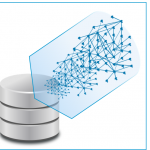
Virtual Knowledge Graphs
Deze blogpost past in het kader van onze studies omtrent knowledge graphs. In dit artikel zullen we het concept van virtual knowledge graphs toelichten, een techniek dat ons toelaat (relationele) databanken als een graaf te benaderen. Hoewel dit artikel hier en daar soms wat technisch en moeilijk wordt, geven we na voorbeelden duidelijke conclusies. Een
-
Smals Research talk at THE API EVENT (Heliview december 2020)
VIDEOTALK: NO SOFTWARE REUSE WITHOUT A DISCIPLINED API MANAGEMENT – LESSONS LEARNED AT SMALS At Smals, our goal is to support a plethora of government agencies and to render administration more efficient. APIs play a central role in the exchange of data and the automation of business workflows, both within and between our different clients,
-
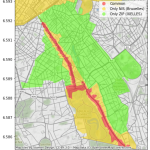
La jointure spatiale, la clé de l’analytique géographique
Dans cet article, nous allons explorer un concept fondamental de l’analytique géographique (GIS Analytics) : la jointure spatiale. Cet article est accompagné d’un notebook Python (lien git – lien nbviewer), permettant à chacun d’approfondir la question et de manipuler les différents exemples. La jointure spatiale est l’équivalent géographique de la jointure classique, ou attributaire, que l’on
-

Ontodia: outil de visualisation de graphes de connaissances
Ontodia est une bibliothèque JavaScript open source permettant d’explorer et de visualiser les contenus d’un graphe de connaissances sous la forme de diagrammes interactifs. Ontodia ne requiert pas la connaissance des langages de requête de graphe, ce qui rend les graphes accessibles à tout type d’utilisateurs. Les diagrammes, qui sont esthétiquement agréables, peuvent être téléchargés
-

“Knowledge Management & Data Quality” (FNRS on line Meeting, ULB, 12/05/2021)
La prochaine réunion du groupe de contact FNRS « Analyse critique et amélioration de la qualité de l’information numérique » se tiendra le mercredi 12 mai 2021 de 14H à 15H30, elle aura lieu en ligne (vous recevrez le lien afin de rejoindre l’événement, une fois inscrits, voir ci-dessous). Pluridisciplinaire, le groupe se situe au confluent des sciences appliquées et des sciences humaines et
-

Eventual Consistency – Een nog te weinig ontgonnen Principe
Eventual Consistency is dé truc waarmee vele NOSql databases hun beschikbaarheid gevoelig kunnen verbeteren. Maar kunnen we dit principe ook doortrekken naar de rest van de architectuur, en misschien zelfs laten meespelen op business niveau? Of is het sop de kool niet waard, en moeten we kiezen voor de eenvoudig bruikbare garanties die Strong Consistency
-

Webinar “Knowledge Graphs”, march 30, 2021
(texte français : voir ci-dessous) Het eerste webinar van Smals Research dit jaar over “Knowledge Graphs” telde 199 effectieve deelnemers. Wij danken u voor uw deelname en interesse! In dit webinar gaat Christophe Debruyne dieper in op het concept, de mogelijkheden en aandachtspunten die komen kijken bij het bouwen (en onderhouden) van een knowledge graph.
-
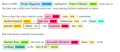
Starten met NLP in het Nederlands
Slides van de webinar voor InfoSecurity op 31/03/2021 Natural Language processing technologieën gebruiken we ondertussen dagelijks, in de vorm van chatbots en virtuele assistenten – denk Siri of Google Assistant – of in tools gaande van autocomplete tot automatische vertaling. In het Engels werkt dat vrij goed; Nederlands blijft moeilijker maar er is toch ook
Keywords:
analytics Artificial intelligence big data blockchain BPM chatbot cloud computing cost cutting cryptography data center data quality development EDA egov Event GIS Information management Machine Learning Managing IT costs methodology Mobile Natural Language Processing Open Source Privacy Productivity Security social software design software engineering standards